
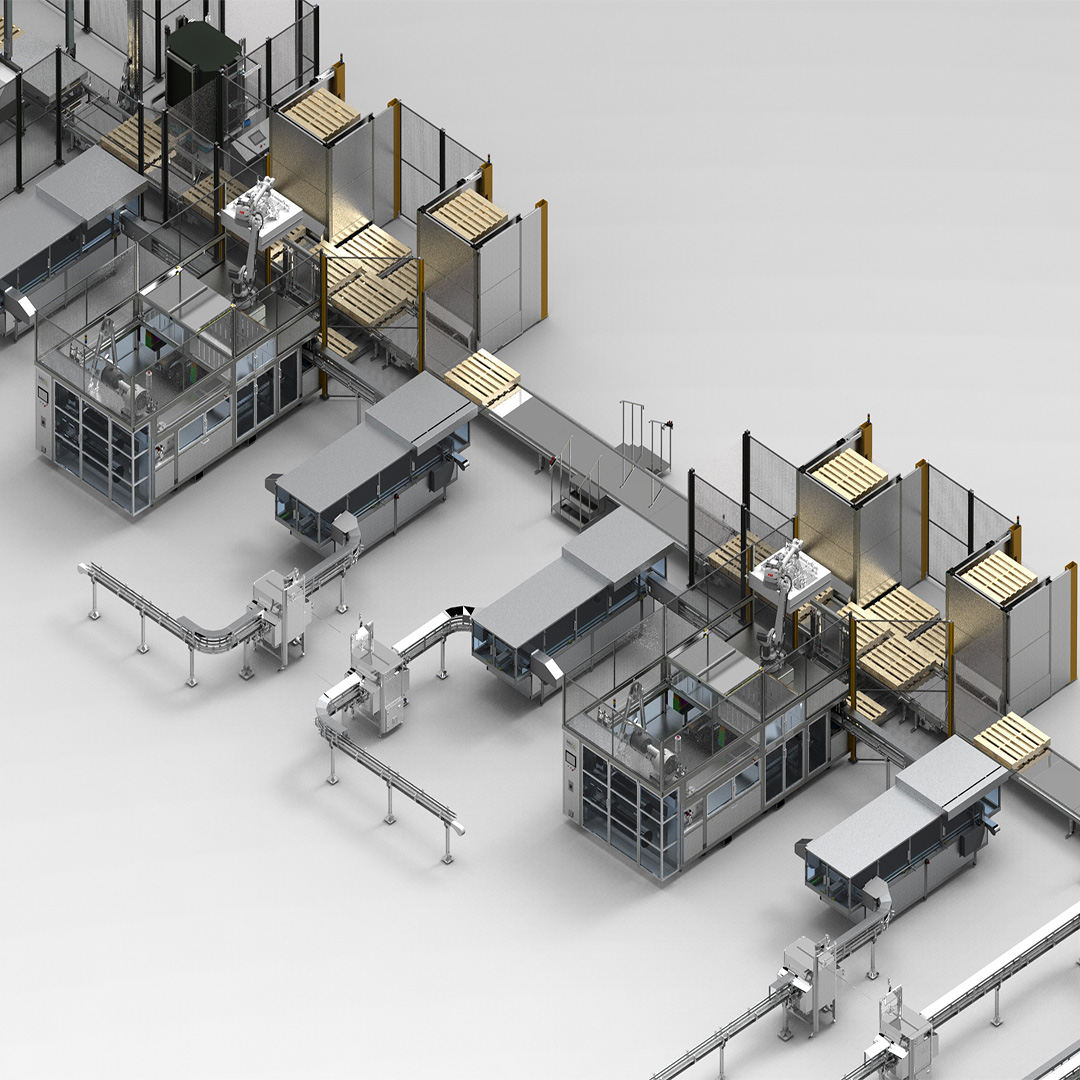
Bottle bagger & debagger
Bag it at the moulder.
Feed it at the filler.
The Mexx Bagger packs empty bottles straight off the blow moulder. The Mexx Debagger opens those bags at the filling plant and feeds the line. Designed to work together, so light bottles move between sites without manual handling.
At a glance
Built for blow moulders that never stop
250 mL–3 L
Bottle sizes handled
5 sec
Size changeover. The operator just picks a recipe.
200/min
Up to 200 bottles a minute per debagger, depending on size
~15
Mexx baggers in production across Australia
How it works
From blow moulder to filling line
One system covers the whole trip: bottles are bagged where they are made and un-bagged where they are filled.
01
Blow moulder
Bottles leave one or two blow moulders by conveyor, around the clock.
02
Bagger
Bottles are collated into rows and layers, then loaded into a bag formed and sealed from film.
03
Pallet out
Nine layers to a pallet. Full pallets leave on a chain conveyor and an AGV drives in underneath to collect them.
04
Transport
Sealed bags keep bottles clean and stable on the truck to the filling plant.
05
Debagger
At the filler, bags are cut and removed and bottles feed straight onto the line.
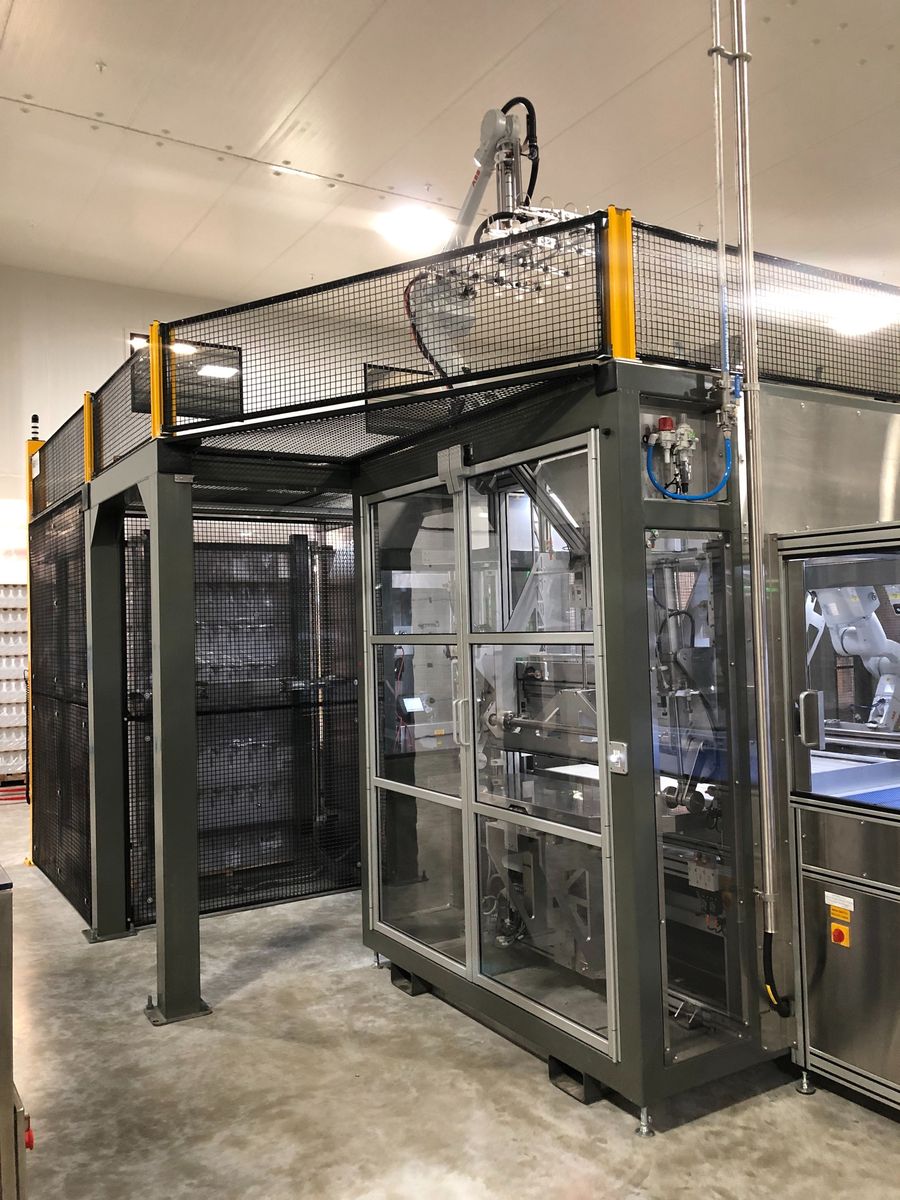
The Bagger
Packs bottles straight off the blow moulder
The Bagger sits at the end of the blow moulding line and keeps pace with it, 24/7. It collates bottles into rows and layers, forms a bag from roll film, loads and seals it, then builds the pallet.
- Bottles from 250 mL to 3 L
- Size change in about 5 seconds: the operator selects the recipe
- Pushes a new row about every 4 seconds
- Takes bottles from up to two blow moulder infeeds
- Forms and seals bags from film, switching between two bag sizes automatically
- Nine layers per pallet, sent out on a chain conveyor to an AGV
The Debagger
Opens the bags and feeds the filler
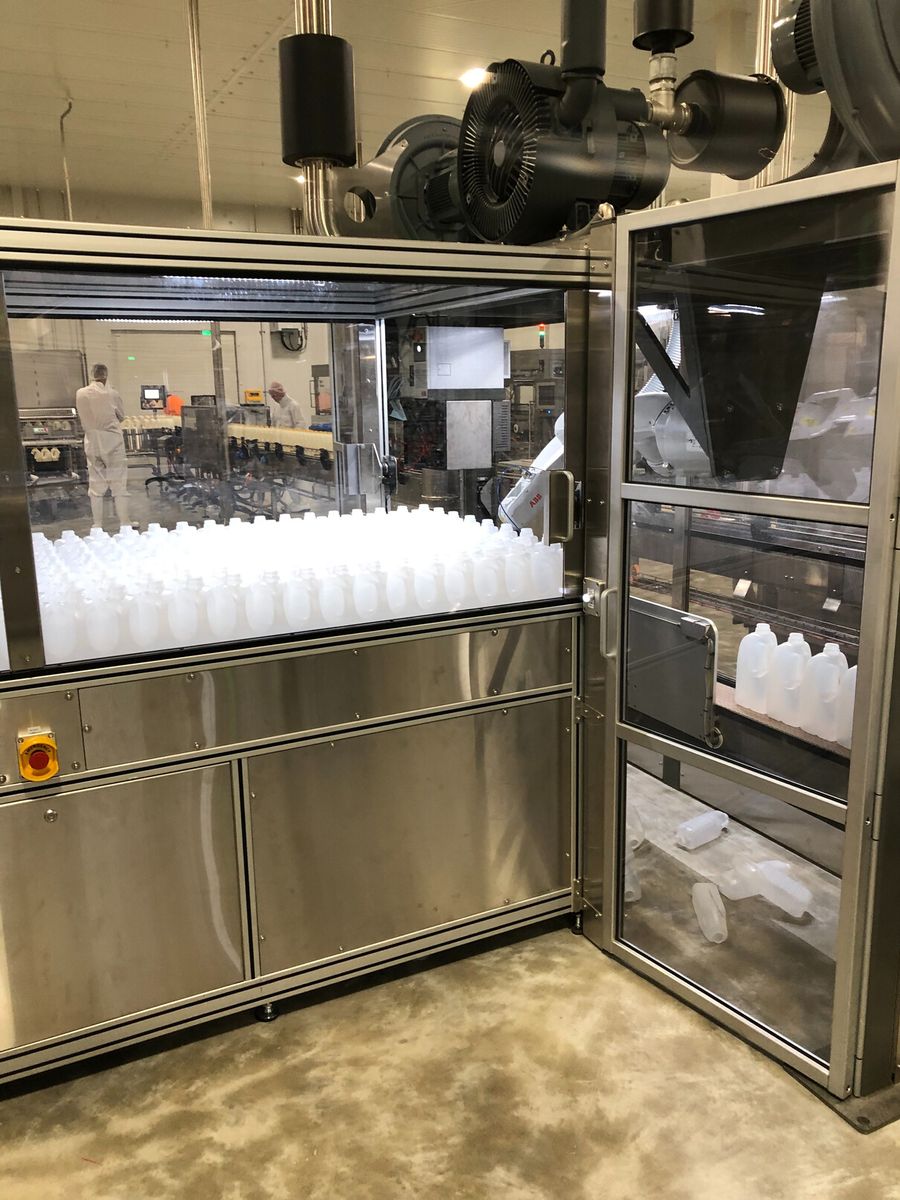
At the filling plant the Debagger does the reverse. Bagged pallets are loaded by forklift or AGV, a robot picks each bag, the bag is cut and pulled clear, and the bottles move across accumulation tables onto a vacuum conveyor to the filler.
- Feeds up to 200 bottles a minute, depending on bottle size
- Handles full and half bags
- Controlled cutting, so bottles are not scuffed or damaged
- Layer pads removed automatically
- Waste film collected automatically
- Several debaggers can run side by side to keep up with a high-speed filler
Complete plants
From the bagged pallet to the filler room
For filling plants we build the whole line around the debaggers, so bottles arrive at the filler inspected, rinsed and in the right order.
01
Pallets in
Pallets are dropped into locating frames by forklift or AGV, and the bags are squared automatically.
02
Robot de-bagging
ABB robots pick each bag into a debagging station. Full and half bags are handled, and layer pads are stacked.
03
Merge into one stream
Bottles keep their orientation on accumulation tables, and vacuum transfer merges two debaggers into one flow.
04
Inspect and reject
Vision checks every bottle for defects, falls and orientation, and rejects the bad ones.
05
Into the filler room
Side-grip elevators lift bottles into the filler room, then invert and air-rinse them.
06
Meter to the line
Bottles are metered into labelling and filling, with label and date-code checks.
Two debaggers run in parallel, so supply keeps going if one stops. A plant like this delivers up to 12,000 bottles an hour for smaller bottles, feeding two filling lines.
Options
- Bottle turning and vision inspection
- Layer-pad handling and robotic palletising
- Manual or automatic bag load stations
- Waste bag collection and compaction
- AGV and pallet interfaces
- Multiple debaggers side by side
Where they run
Proven in production, around the clock
About 15 Mexx baggers run at Pact Group blow moulding sites across Australia, maintained under a Mexx service contract. Mexx debaggers feed filling lines supplied by Pact, and several debaggers run side by side at Synlait in New Zealand. Mexx has also built bottle handling systems for Fonterra, Lion, Visy, VIP Packaging and Brickwood, from bagging and palletising at the blow moulder to complete two-line bottle delivery systems.
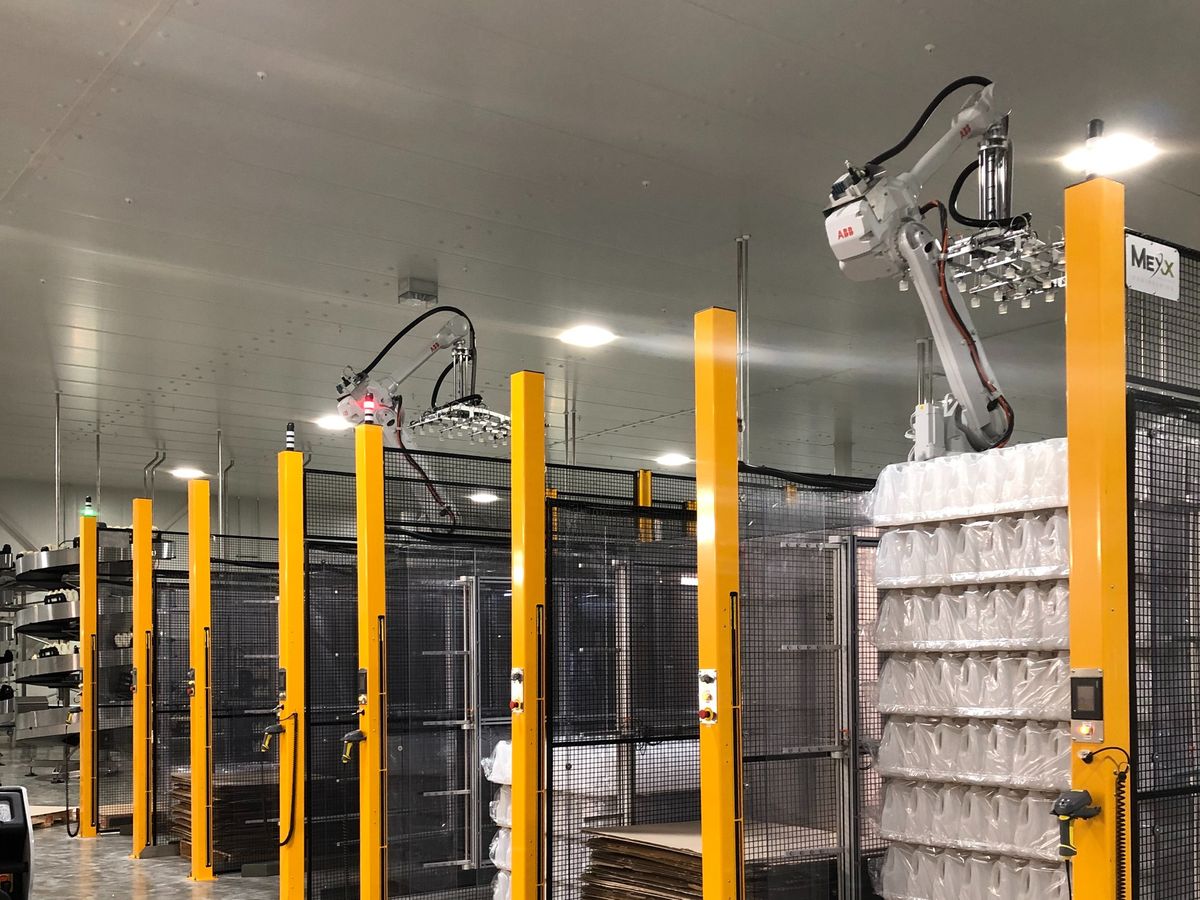
Two Mexx debaggers side by side at Synlait
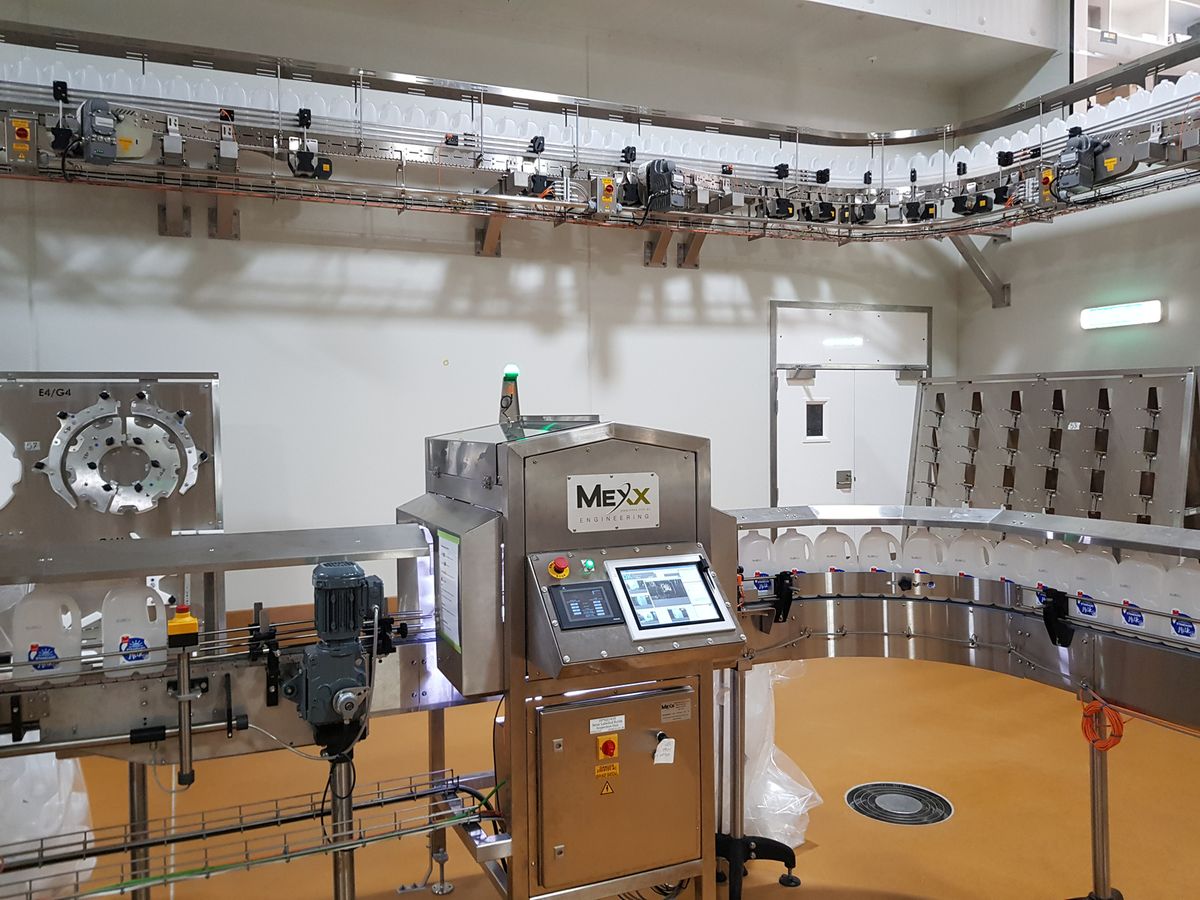
Mexx vision inspection and bottle conveyors at Synlait
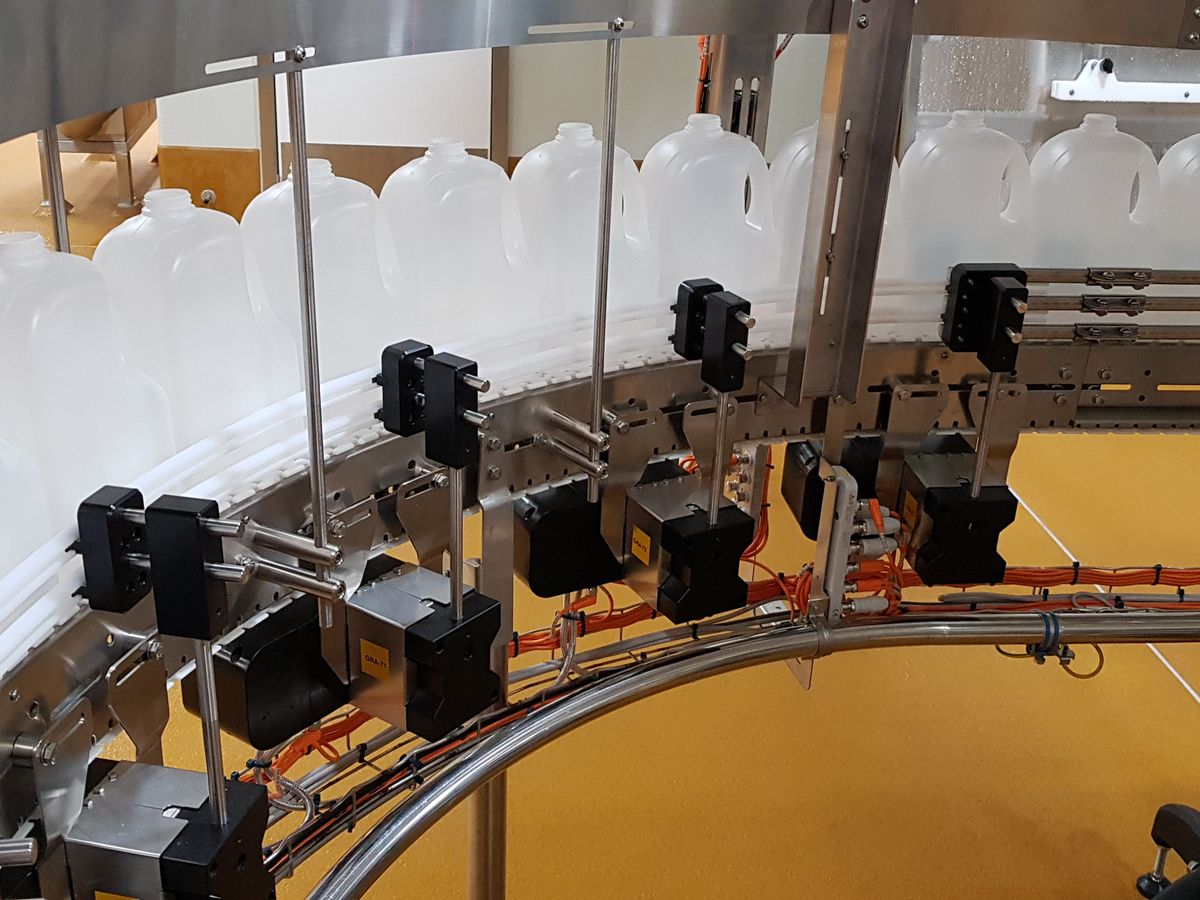
Mexx conveyors with automatic rail adjusters that reset to each bottle width
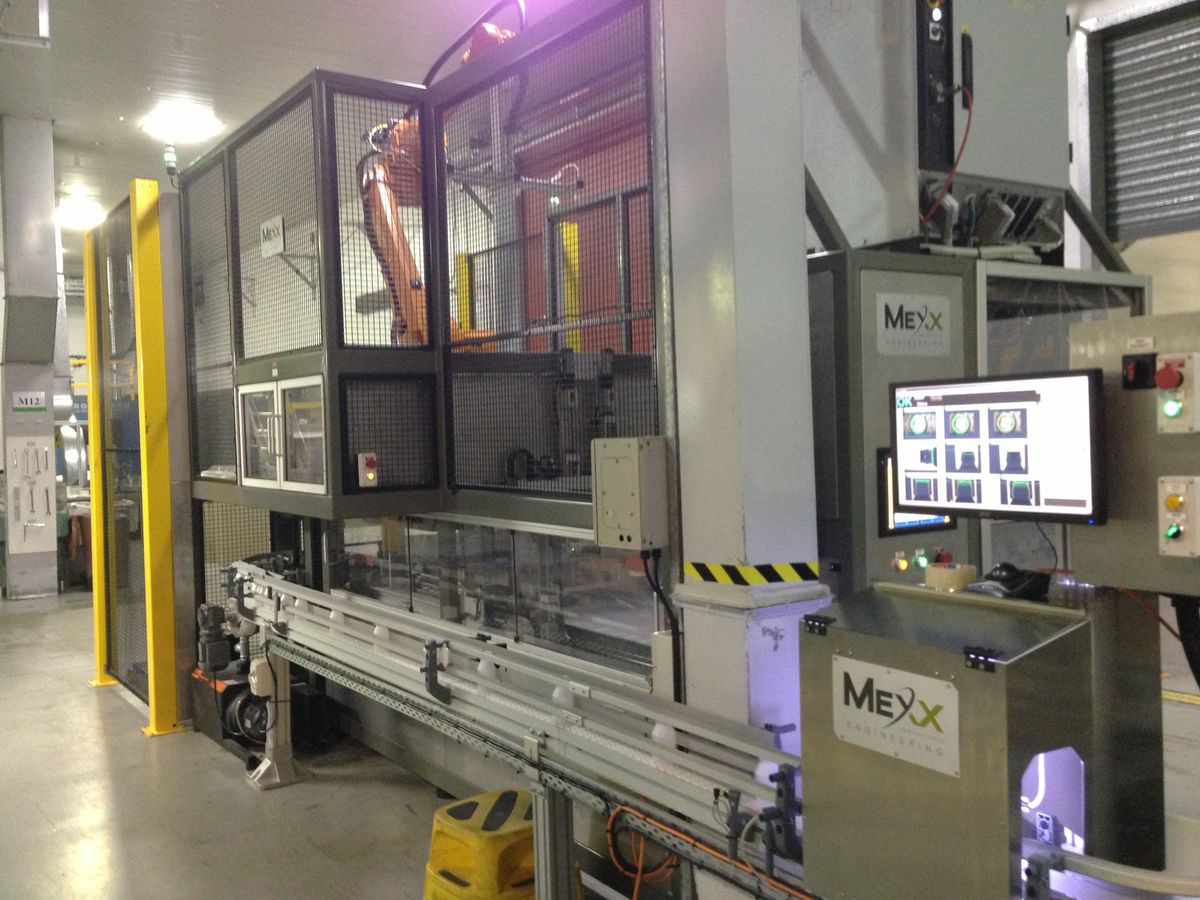
A Mexx vision system checking bottles on their way into a bagger
See it running
The bagger, debagger and a complete plant at work
Mexx Bagger
Mexx Debagger
Complete de-bagging plant
Want the whole picture? See how a complete plant fits together ↑
Service & support
Supported by the people who built it
Mexx engineers design, build and commission every system, then stay on to support it. We run service contracts on bagging and de-bagging lines, log in remotely to find faults fast, and provide after-hours on-call support for machines across Australia and New Zealand. We also service automation built by others.
Machines designed and built for

 PACT GROUP











Next step
Talk to us about your bottle line
Tell us your bottle sizes, line speeds and where the bottles need to go. An engineer will get back to you within one business day.