
Composite Crossarm Manufacturing System
Project Overview
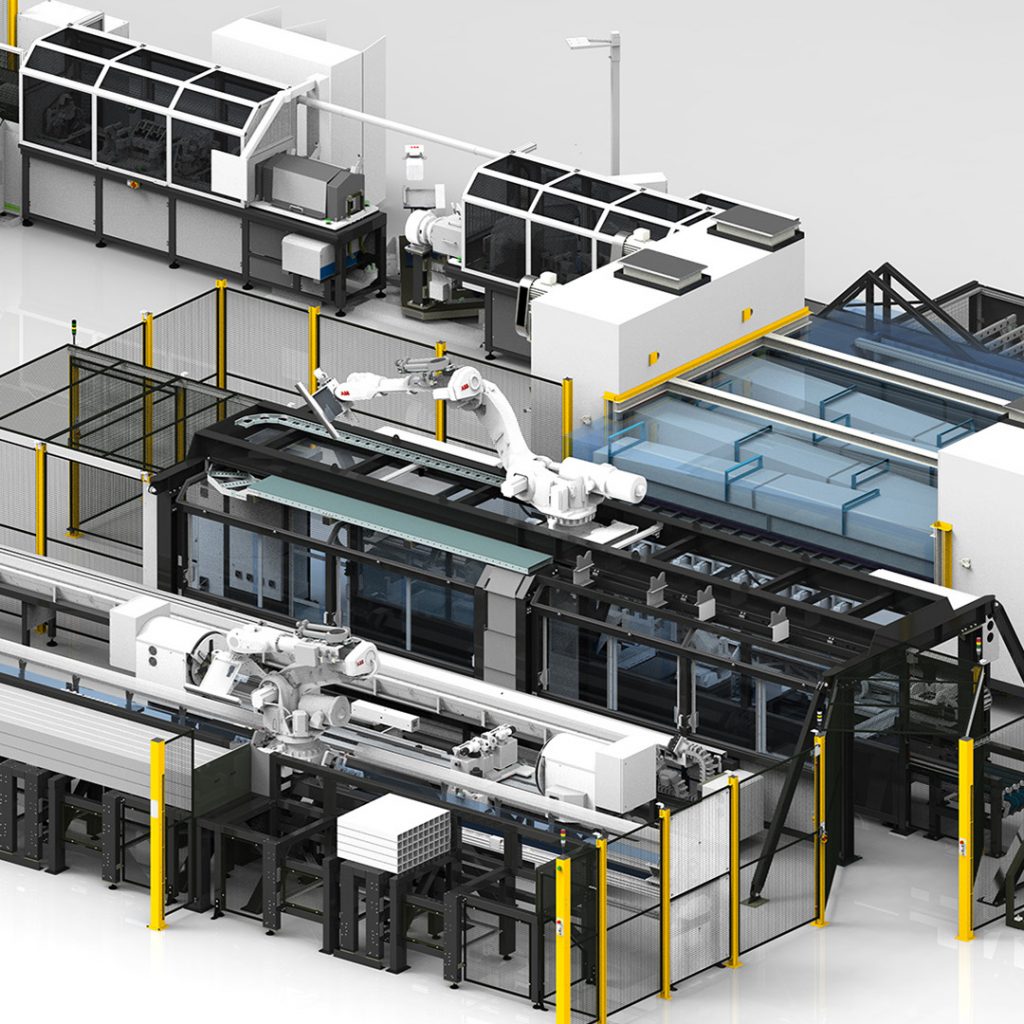
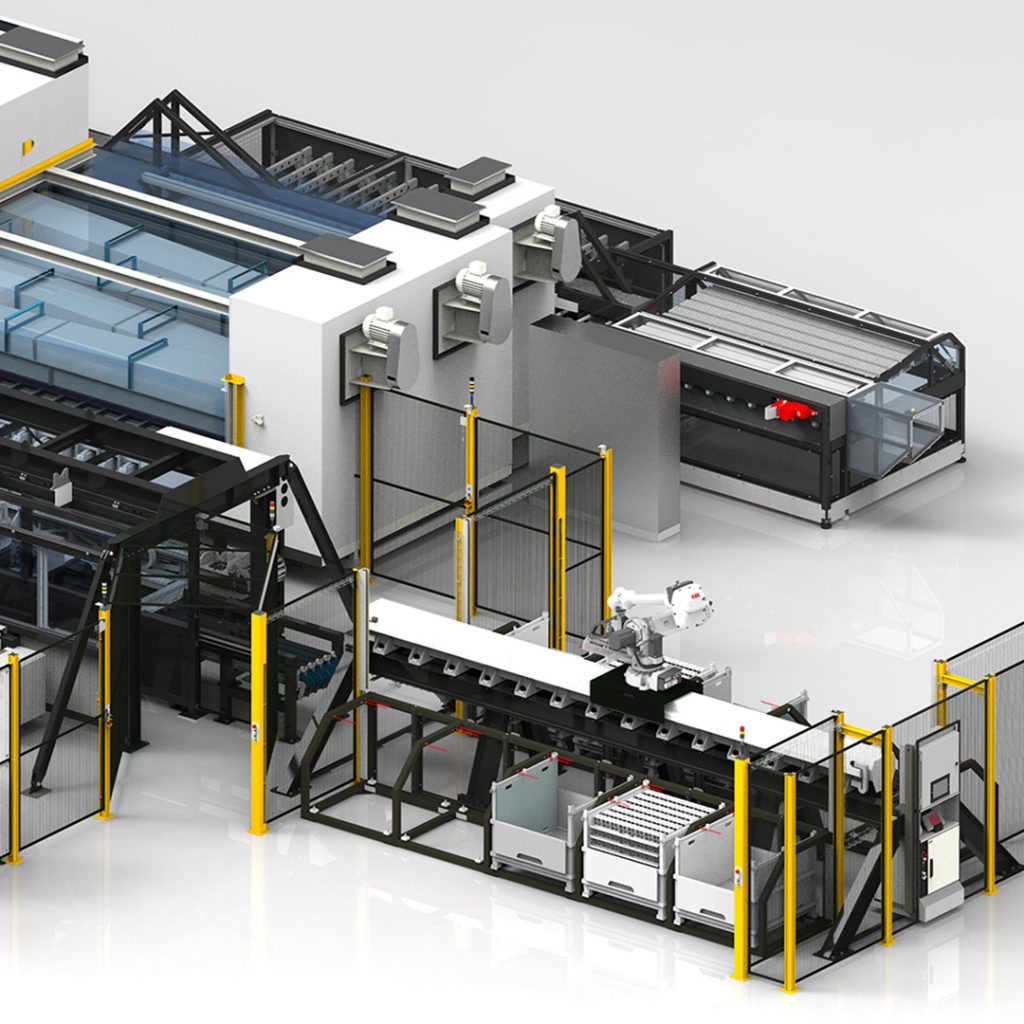
Mexx engineered an automated manufacturing system for composite crossarms used in overhead electrical transmission infrastructure. The project combined automated material handling, robotic transfer, drilling and routing operations, insert handling, and finished product palletising within a coordinated production line.
Rather than designing isolated machines, the system required an integrated plant approach where mechanical design, automation architecture, safety systems and production flow were engineered together.
Engineering Challenge
Composite structural components used in power infrastructure require consistent machining, repeatable positioning, and controlled handling to maintain structural integrity and dimensional accuracy.
The system therefore needed to coordinate multiple operations including automated depalletising, machining processes, robotic transfer, thermal stages and finished product handling while maintaining safe operator access and reliable throughput.
Projects of this nature demand careful integration between:
- Robotics
- Machining processes
- Material handling
- Process heating and cooling
- Production flow and buffering
- Safety zoning and guarding
System Architecture
The automated production system integrates several functional stages within a single line architecture:
- Automated infeed and depalletising
- Robotic handling of composite pultrusions
- Drilling and routing operations
- Insert and component handling processes
- End-cap and marking operations
- Thermal processing stages
- Finished product palletising and strapping
The design allows coordinated movement of parts between stations while maintaining process repeatability and production consistency.
Mexx Engineering Delivery Method
Complex automation systems require disciplined engineering governance.
Mexx delivers projects using a structured stage-gate approach aligned with recognised project management methodologies. Each stage focuses on progressively reducing uncertainty and technical risk before major investment decisions are made.
Typical stages include:
- Concept definition and system architecture
- Engineering feasibility and risk identification
- Detailed mechanical and controls design
- Design reviews and integration planning
- Manufacturing and assembly
- Factory acceptance testing
- Installation and commissioning support
This structured approach helps prevent late-stage redesign, improves integration between disciplines, and increases delivery confidence for complex automation systems.
Disciplines Involved
Projects of this scale require collaboration across multiple engineering domains.
Mechanical engineering
Automation and controls
Robotics integration
Safety systems and guarding
Production system architecture
Commissioning and operational support
Discuss a Similar Project
Mexx specialises in complex plant, machine and automation systems delivered through structured engineering and disciplined project governance.
If you are planning a specialised manufacturing system or automation project, Mexx can assist with early-stage concept development, system architecture and project delivery planning.