
Engineering Insights
The Mexx Engineering Knowledge Centre shares practical insights from automation, robotics, and plant engineering projects.
These short articles explore topics such as digital twin engineering, industrial robotics, and structured front-end engineering used to reduce risk in capital projects.
Many of the concepts discussed here are applied during early-stage project definition and feasibility engineering.
-
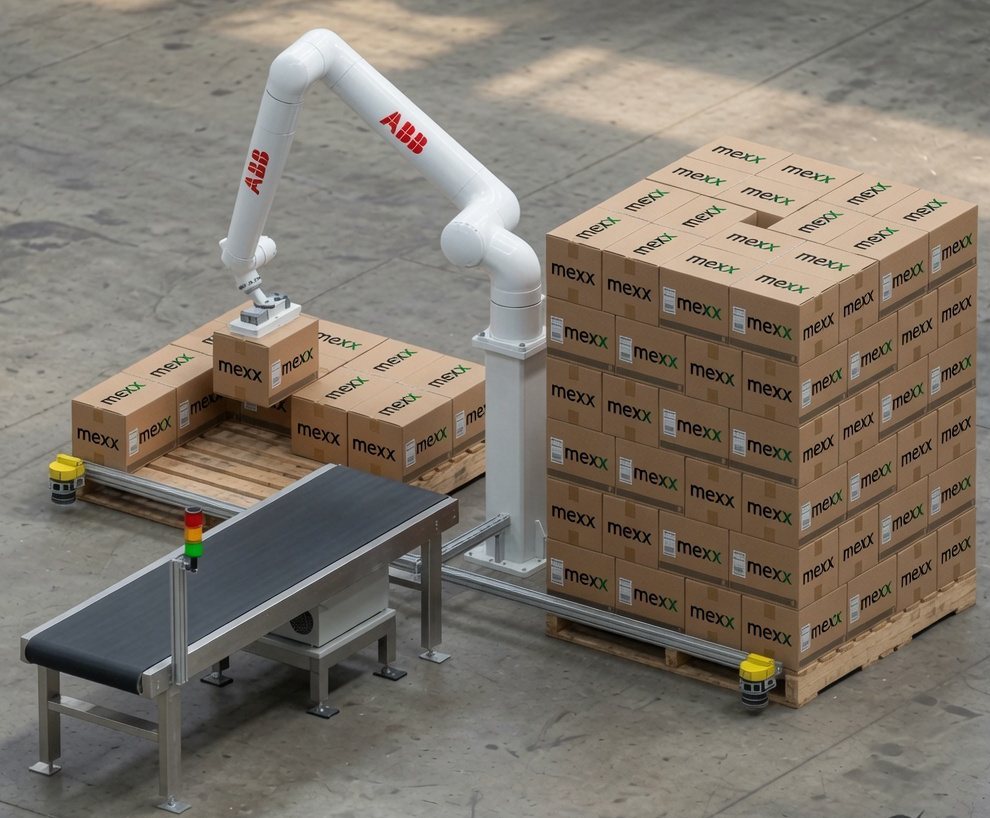
The Robot Isn’t the Hard Part of Palletising
On a palletising cell, the robot is rarely what decides whether it works. Most of the time it’s the few metres of conveyor in front of it. That catches people out. The arm is the expensive bit, so it gets the attention. But a palletising robot is a straightforward piece of equipment doing a straightforward…
-
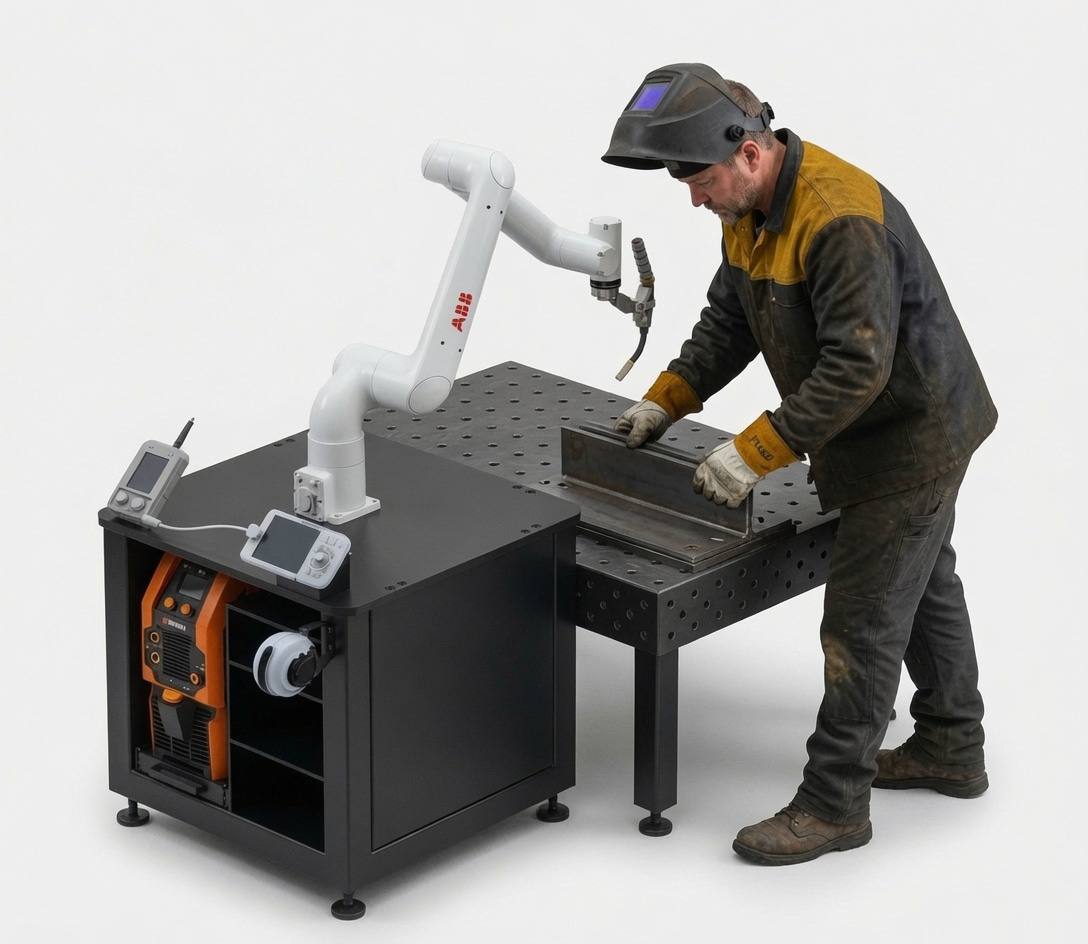
The 80/20 Rule That Decides Whether a Welding Cobot Works for You
A welding cobot will do 80% of the job easily. It’s the last 20% that sinks most projects and that 20% was never the robot’s job. I’ve watched plenty of welding-robot projects in Australia start with excitement and end in a corner gathering dust. The robot wasn’t faulty. The expectation was. Here’s the pattern. A…
-
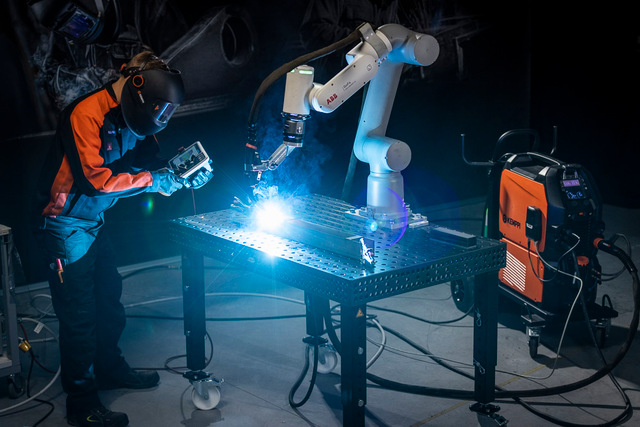
Will Milk Save Your Lungs? The Welding Myth That Won’t Die
Plenty of workshops keep cold milk in the fridge for the welders. It feels like looking after your team. It isn’t. In over 40 years in engineering I’ve lost count of the sheds with a fridge full of milk “for the boilermakers.” The belief is that a glass of milk before or after welding coats…
-
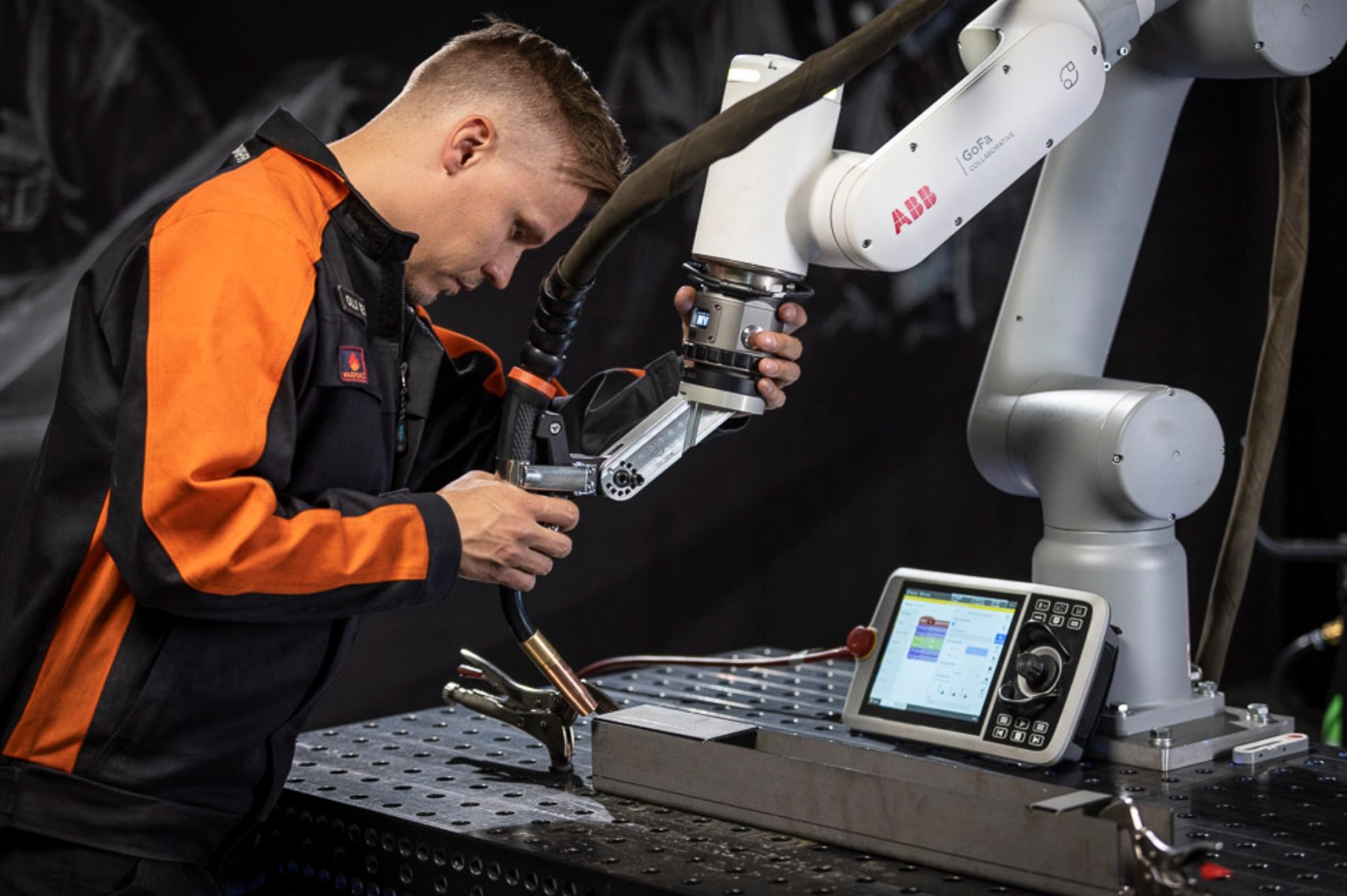
Will a Welding Cobot Take Your Boilermaker’s Job? It’s the Opposite.
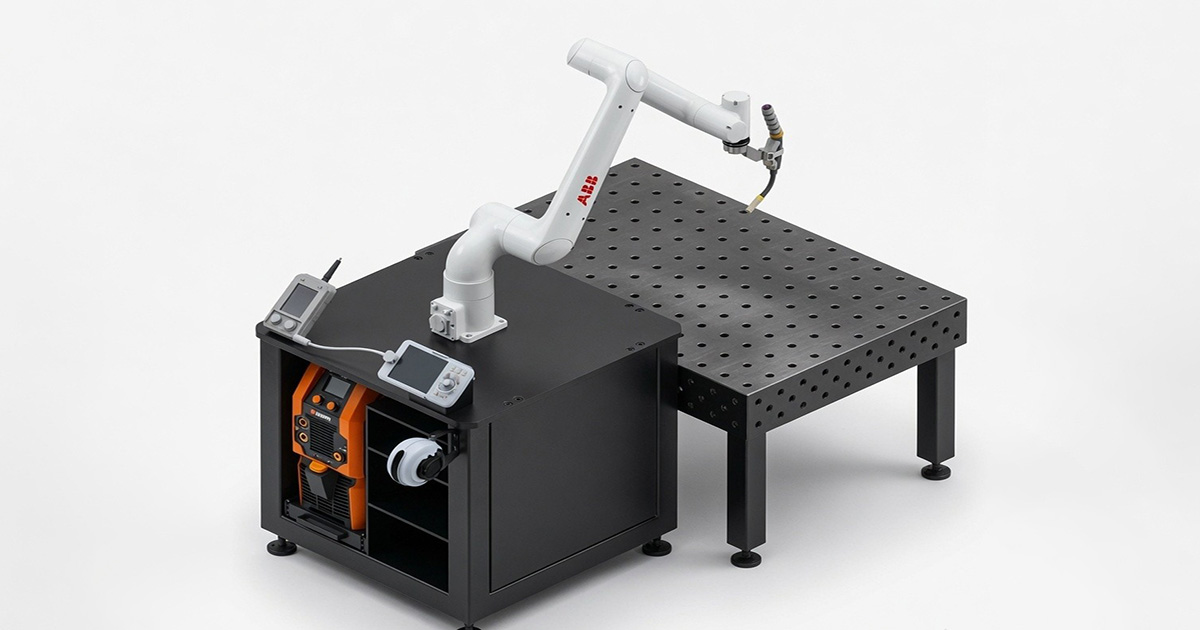
Kemppi’s official cobot welding demo, shown here on an ABB GoFa collaborative robot. MexxBot uses ABB collaborative robots with a Kemppi welder — the same human-and-cobot workflow. A welding cobot doesn’t replace your boilermaker. It hands them an offsider. Whenever we show a welding cobot, someone asks the obvious question: “So this puts welders out…
-
Most Welding Cobots Don’t Need Safety Fencing. Here’s Why That’s Not Reckless
“No safety fencing” sounds like a shortcut. It isn’t. It’s how collaborative robots are designed to work. When people hear a welding robot runs without a fenced cage, the first reaction is usually concern. It sounds like a corner being cut. In practice, it’s the opposite — it’s the result of safety being engineered into…
-
Why Automation Projects Fail During Procurement
Most automation and robotics projects do not fail during installation.They fail much earlier during procurement phase. If equipment is ordered before system architecture, integration constraints, and operating scenarios are fully defined integration risks appear later in the project when they are most expensive to resolve. Common issues include: • Throughput assumptions that do not match…